
The importance of patience and persistence
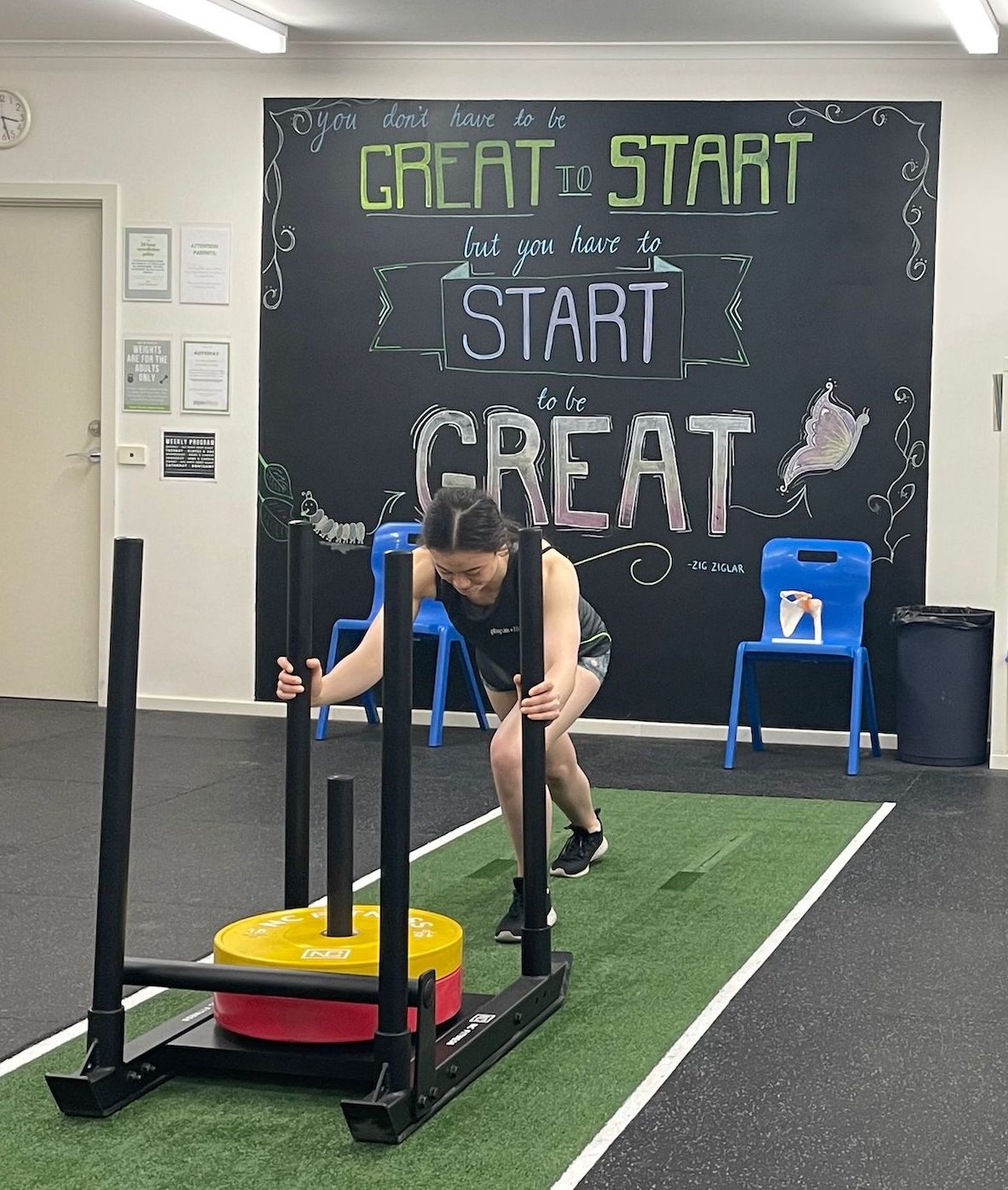
Have persistence when it comes to running
Injuries absolutely suck at the best of times. They never come at a convenient time and always have a way of messing with our mindset, especially if the injury hangs around longer than we hoped it to.
Along with the physical injury comes a number of other factors that simply become a hassle…

Treatment of the injury costs more than want we want to fix it.
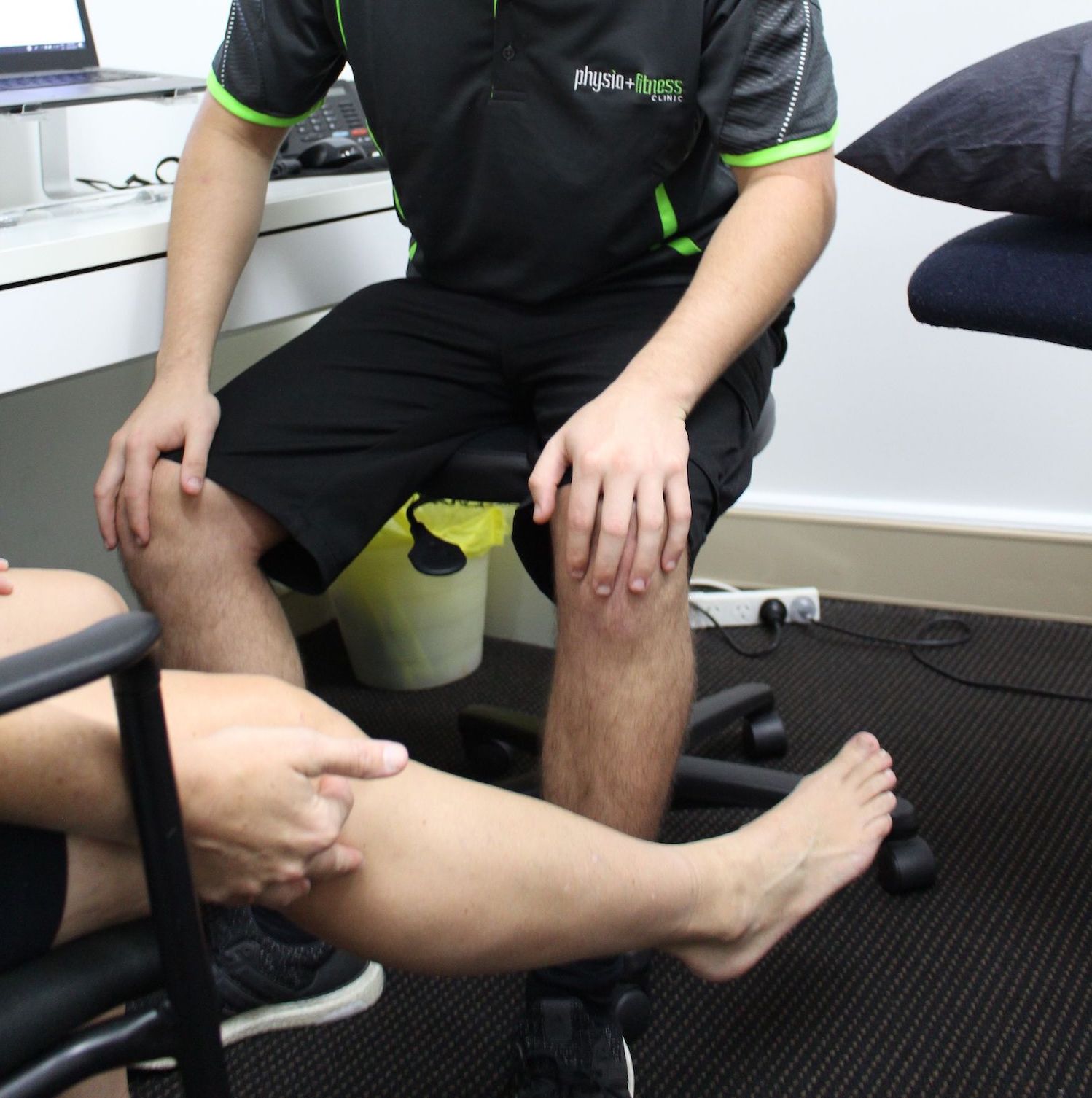
There are no guarantees that the treatment will fix the injury.
Put simply, life seems less fun.
But if you are continuously pushing your body to the limits, then injuries should be expected…
One piece of advice for longevity and prevention of injuries is periodisation. This means, allowing our bodies to have periods of rest throughout each year.
You know that feeling when you are recharged after your summer holiday? Your mind and body have had a break from the day-to-day grind, and you have been able to “fill up your cup” again. Suddenly that annoying person at work doesn’t bother you anymore. It’s kind-of the same with a break from sport, even if just for a week, or a month, or a complete shift for a little while with cross training in a different direction.
If you have been dealing with an injury for a long time, be OK with taking a break from obsessing with it for a while, be it a week, or a month, or a quarter. This might mean you need to be OK with missing that major race or event, but if it helps your mental state then it really is a great result.
Often, you will come back from your slumber with new found enthusiasm to fix the root cause of an issue and can come back stronger with a fresh perspective.
Make running fun!
– Morgan Deegan

5 Tips to Reduce Common Sports Injuries
5 Tips to Reduce Common Sports Injuries At Physio and Fitness Clinic, our dedicated team, led by principal physio Morgan, understands the importance of injury prevention. Getting involved in your favourite activities shouldn't come at the cost of risking severe...
Why Hamstring Curls are Essential for Running Rehab
Hamstring curls on a Swiss ball are a great exercise when progressing your rehab to return to running!Hamstring curls on a Swiss ball are a great exercise when progressing your rehab to return to running! We often give this exercise to clients after a hamstring...
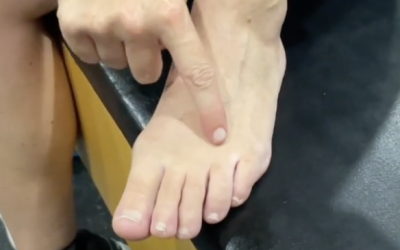
Foot Pain: When Should I Get it Checked Out?
When is my foot pain bad enough to seek help from a professional? Physiotherapist Morgan Deegan covers common foot problems and when it is important to get it checked out. Let’s talk about Foot Pain. In particular foot pain in runners. When is it necessary to see a...