
HYPERMOBILITY Treatment
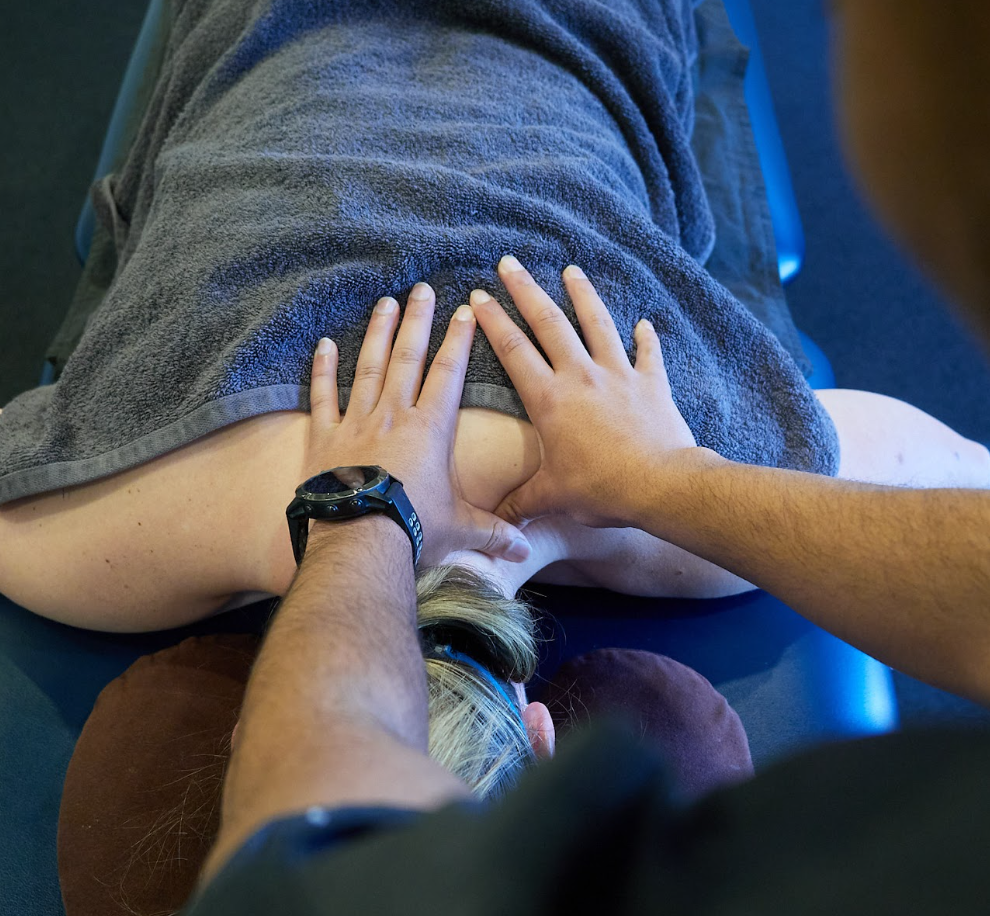
Here at PFC, we have our Clinical Lead, Luke Walker who specialises in Hypermobility. Luke has hEDS/HSD himself, and has not only had to navigate his own hypermobility and multimorbidities, but has also done further training in the Hypermobility space.
Luke has worked consistently with persistent pain over the years, and is now confident to take on the whole hypermobility experience to try and make you feel safer within both body and mind, slowly helping you get back to your goals.
HYPERMOBILITY Treatment
Here at PFC, we have our Clinical Lead, Luke Walker who specialises in Hypermobility. Having hEDS himself, Luke has not only had to navigate his own hypermobility and multimorbidities, but has also done further training in the Hypermobility space.
Luke has worked consistently with persistent pain over the years, and is now confident to take on the whole hypermobility experience to try and make you feel safer within both body and mind, slowly helping you get back to your goals.
What is hypermobility?
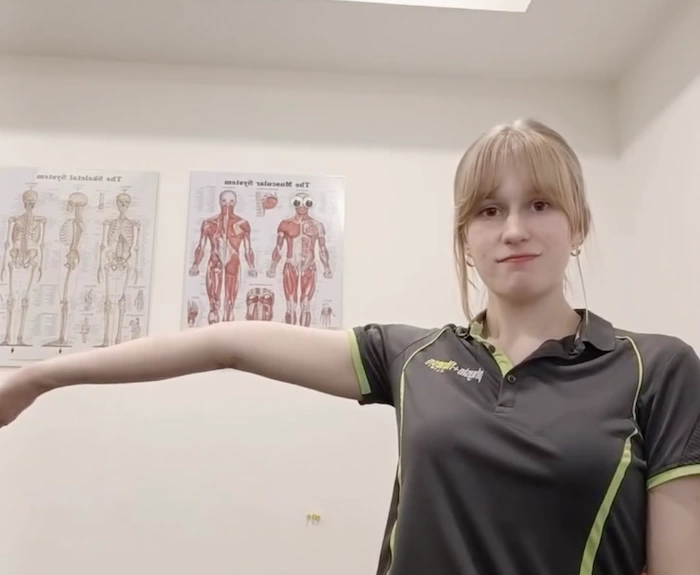
Hypermobility it’s a term used in medicine to describe a range of conditions where a person’s joints move more than the usual range of motion.
Hypermobility itself isn’t necessarily a problem. Many flexible people have no symptoms and don’t need treatment.
For others, their hypermobility is symptomatic and can even have connective tissue diagnosis such as genetic conditions like EDS and Marfan’s disease, or non-hereditary diagnosis such as hEDS or Hypermobility Spectrum Disorder (HSD)
These diagnoses can cause musculoskeletal, neurological, and immunological experiences that can make life a bit tricky.
What is hypermobility?
Hypermobility it’s a term used in medicine to describe a range of conditions where a person’s joints move more than the usual range of motion.
Hypermobility itself isn’t necessarily a problem. Many flexible people have no symptoms and don’t need treatment.
For others, their hypermobility is symptomatic and can even have connective tissue diagnosis such as genetic conditions like EDS and Marfan’s disease, or non-hereditary diagnosis such as hEDS or Hypermobility Spectrum Disorder (HSD)
These diagnoses can cause musculoskeletal, neurological, and immunological experiences that can make life a bit tricky.
What are some of the symptoms / co-morbidities?
People with Hypermobility can experience classic MSK symptoms such as:
- Very flexible or “double-jointed” joints
- Joint pain or aching
- Joints that feel unstable or frequently “give way”
- Frequent sprains or injuries
- Muscle fatigue
- Joint subluxations and dislocations
Other systemic symptoms and diagnosis can occur with people with Hypermobility such as:
- Neurodevelopmental such as ADHD / Autism
- Gastrointestinal such as Irritable Bowel syndrome (IBS)
- Musculoskeletal such as Chronic Fatigue Syndrome / Myalgic Encephalomyelitis and Chronic pain
- Cardiovascular / Autonomic such as Postural Orthostatic Tachycardia Syndrome (POTS)
- Immune / Allergic such as asthma, eczema and Mast Cell Activation Syndrome (MCAS)
- Gynaecological / Urogenital such as endometriosis
- Sleep issues
- Mental Health issues such as anxiety and depression
- Neurological such as headaches, migraines and dizziness
What are some of the symptoms / co-morbidities?
People with Hypermobility can experience classic MSK symptoms such as:
- Very flexible or “double-jointed” joints
- Joint pain or aching
- Joints that feel unstable or frequently “give way”
- Frequent sprains or injuries
- Muscle fatigue
- Joint subluxations and dislocations
Other systemic symptoms and diagnosis can occur with people with Hypermobility such as:
- Neurodevelopmental such as ADHD / Autism
- Gastrointestinal such as Irritable Bowel syndrome (IBS)
- Musculoskeletal such as Chronic Fatigue Syndrome / Myalgic Encephalomyelitis and Chronic pain
- Cardiovascular / Autonomic such as Postural Orthostatic Tachycardia Syndrome (POTS)
- Immune / Allergic such as asthma, eczema and Mast Cell Activation Syndrome (MCAS)
- Gynaecological / Urogenital such as endometriosis
- Sleep issues
- Mental Health issues such as anxiety and depression
- Neurological such as headaches, migraines and dizziness
What can you expect from our services
At PFC, we allow 60 minutes for your initial hypermobility assessment.
This gives you time to really tell your story and talk through what you’ve been experiencing, what you’re struggling with, and what you’ve been navigating along the way. We want you to have the space to explain things in your own words, without feeling rushed.
From there, we’ll work through a thorough assessment, which may include:
- Upper body hypermobility
- Lower body hypermobility
- POTS assessment (if applicable)
- Other strength assessments
By the end of the session, our goal is for you to feel heard, respected and understood. You should also leave with a better understanding of your presentation and some ideas about where to go from here.
Your physio will aim to give you some manageable homework to get started with. This might include basic nervous system regulation strategies, exercises, or techniques to help you start building capacity. We can also discuss any relevant resources or referrals that might be helpful for you.
For follow-up sessions, we generally aim for 40-minute appointments. These sessions are about continuing to build a sense of safety and structure within your system, while gradually building your capacity through education, hands-on techniques and exercises.
Ultimately, we want to help you get back to the things that matter to you.
That might mean returning to work, being able to walk the dog, or simply getting out of bed without fainting.
Whatever your goals look like, no goal is too small or too big. We’ll work with you to figure out what matters most to you and take things one step at a time.
Hypermobility treatment FAQs
Q. Can you officially diagnose me with EDS/hEDS?
A. Unfortunately, as physiotherapists, we can’t officially diagnose EDS or hEDS.
For a diagnosis of a hereditary type of EDS, you’ll generally need to see a geneticist. Rheumatologists are often involved in the assessment and diagnosis of hEDS.
That said, Luke can complete a really thorough assessment of your hypermobility and overall presentation. From there, we can help identify features that may suggest an underlying condition and provide your GP or specialist with detailed assessment findings to support you on your diagnostic journey.
Q. Can you do a POTS assessment with me?
A. As physiotherapists, we can’t officially diagnose POTS or other cardiovascular conditions that can be associated with hypermobility.
That said, Luke is trained to perform a POTS assessment, which can help identify patterns that may be consistent with POTS and guide our treatment planning.
We can also help you work out the next steps, including referring you back to your GP or recommending a cardiologist for further assessment and support with your symptoms.
Q. Why are you doing nervous system regulation techniques with me?
A. Haha, fair question!
Being bendy doesn’t just affect our muscles and joints. Living with ongoing pain, instability and unpredictable symptoms can also leave our nervous system in complete disarray.
By introducing nervous system regulation techniques, such as somatic movement, parasympathetic strategies and meditation, we can start helping your body feel safer and more settled.
The goal is to support a system that feels a little less on high alert, so you can build capacity, feel more comfortable in your body and work towards getting back to the things that matter to you.
Q. What if I don’t feel safe in a typical physiotherapy environment?
A. This is a really valid concern!
Many hypermobile people have had difficult experiences with healthcare, including feeling dismissed, misunderstood or even medically gaslit. Unfortunately, patient-centred care hasn’t always been everyone’s experience.
Here at PFC, Luke wants you to feel heard, respected and safe. We’ll work with you to make the appointment as comfortable as possible and tailor things to your needs.
If that means dimming the lights, minimising background noise, taking extra breaks or making other adjustments, that’s absolutely okay!
You’re welcome to let our admin team know about any preferences or concerns before your appointment, and you can always chat with Luke about what you need during the session, too. We want you to feel comfortable being yourself and know that your needs are welcome here.
Q. How will you make me feel better?
A. The aim of therapy to:
Symptom Management: Settling symptoms, reducing demands and making things more manageable. This is often where we begin.
Capacity Building: Gradually increasing stress or challenge within an individual’s tolerance to build capacity over time.
Resourcing: Identifying remaining gaps, recognising where support outside of our scope is needed, and helping the individual build a supportive multidisciplinary team