
Abdomino-Phrenic Dyssynergia (APD) Management
Specialised breathing retraining and physiotherapy for abdominal bloating and distension.
Do you experience persistent abdominal bloating or visible abdominal distension, particularly after meals or as the day progresses?
Abdomino-Phrenic Dyssynergia (APD) is a condition involving altered coordination between the diaphragm and abdominal wall muscles. This can contribute to significant abdominal distension, even when there is no excessive build-up of gas.
At Physio + Fitness Clinic, Morgan Deegan offers specialised physiotherapy management for APD, combining targeted diaphragmatic breathing retraining with assessment and management of associated thoracic factors. Our aim is to help you better understand your symptoms, improve muscle coordination and develop strategies for longer-term symptom management.
Abdomino-Phrenic Dyssynergia (APD) Management
Specialised breathing retraining and physiotherapy for abdominal bloating and distension.
Do you experience persistent abdominal bloating or visible abdominal distension, particularly after meals or as the day progresses?
Abdomino-Phrenic Dyssynergia (APD) is a condition involving altered coordination between the diaphragm and abdominal wall muscles. This can contribute to significant abdominal distension, even when there is no excessive build-up of gas.
At Physio + Fitness Clinic, Morgan Deegan offers specialised physiotherapy management for APD, combining targeted diaphragmatic breathing retraining with assessment and management of associated thoracic factors. Our aim is to help you better understand your symptoms, improve muscle coordination and develop strategies for longer-term symptom management.
What is Abdomino-Phrenic Dyssynergia?
Abdomino-Phrenic Dyssynergia (APD) is a condition in which the diaphragm and abdominal wall muscles respond in an uncoordinated way.Normally, these muscles work together to accommodate changes within the abdomen. In people with APD, the diaphragm may contract and move downwards while the abdominal wall relaxes and moves outwards, contributing to visible abdominal distension.
This means that abdominal distension is not always caused by excess gas or food. In some people, altered muscle coordination plays an important role. APD is often associated with conditions such as irritable bowel syndrome (IBS) and other disorders of gut-brain interaction.
Physiotherapy management of APD focuses on retraining the coordination and function of the diaphragm and abdominal wall.
Our treatment approach includes two key components:
Specialised Diaphragmatic Breathing Retraining
A central component of treatment is specialised breathing retraining designed to address the altered diaphragm activity associated with APD.
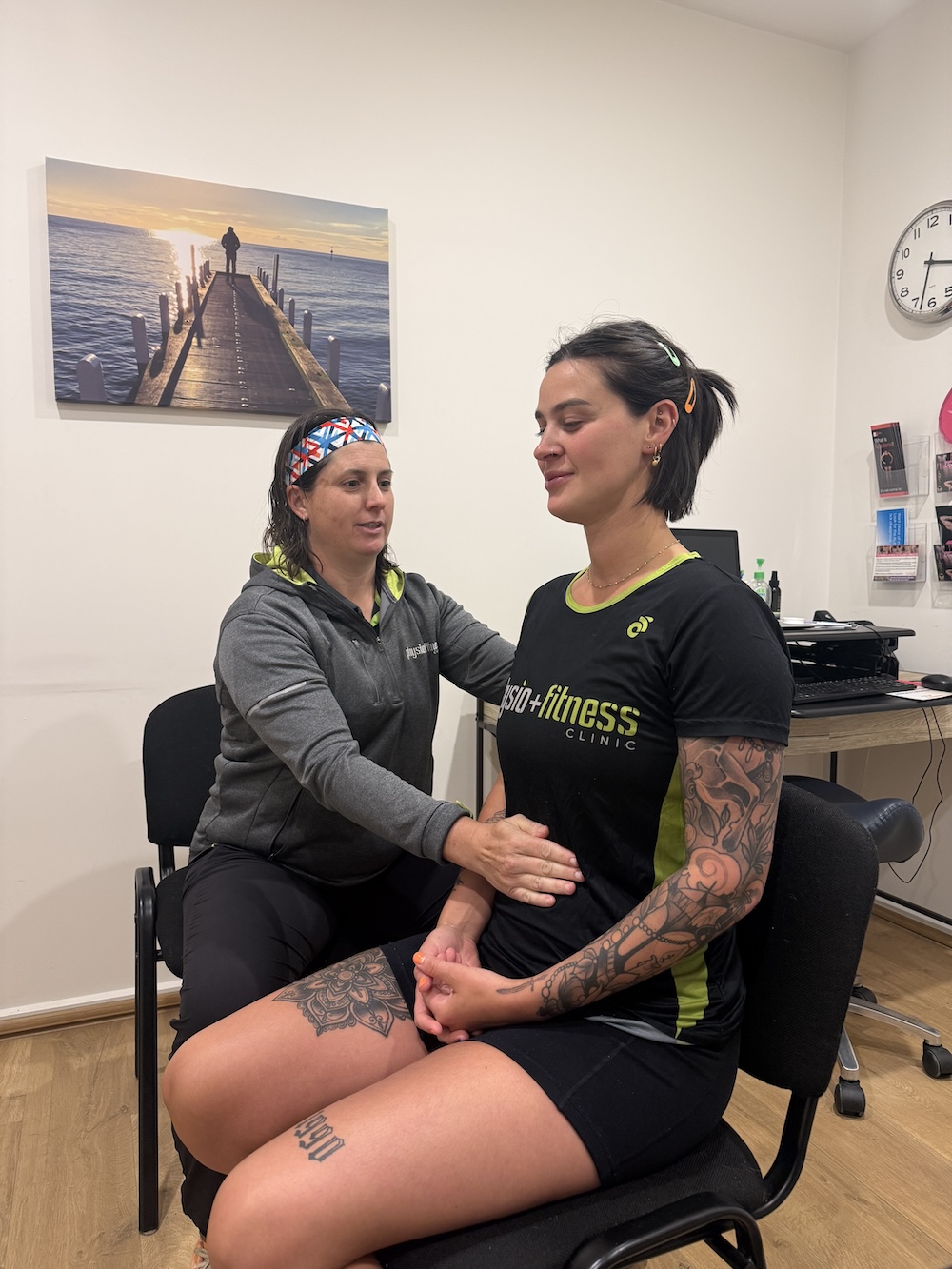
This involves learning to recognise and modify breathing and muscle activation patterns, with the aim of improving diaphragm and abdominal wall coordination and reducing abdominal distension. Morgan has trained with international specialist Professor Fernando Azpiroz in Spain to learn his technique of breathing and re-coordinating the diaphragm.
Thoracic Assessment and Management
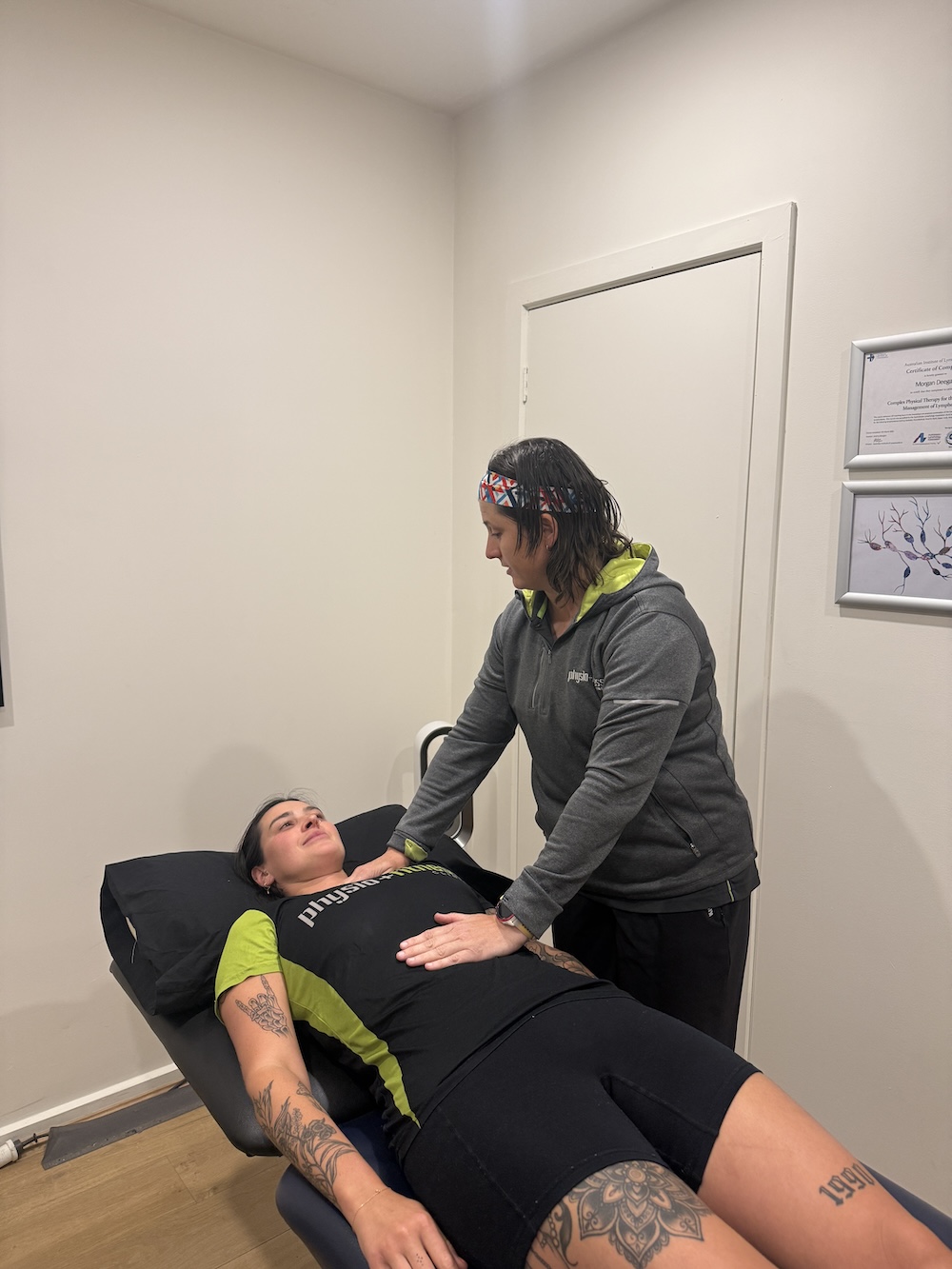
The diaphragm works closely with the rib cage and thoracic region during breathing. As part of your treatment, Morgan will assess relevant thoracic mobility, rib cage mechanics and associated musculoskeletal factors that may influence breathing patterns. Where appropriate, treatment may include strategies to address identified thoracic restrictions or movement patterns, alongside diaphragmatic retraining.
By considering both diaphragmatic coordination and associated thoracic factors, we aim to support more effective and sustainable symptom management.
What is Abdomino-Phrenic Dyssynergia?
Abdomino-Phrenic Dyssynergia (APD) is a condition in which the diaphragm and abdominal wall muscles respond in an uncoordinated way.Normally, these muscles work together to accommodate changes within the abdomen. In people with APD, the diaphragm may contract and move downwards while the abdominal wall relaxes and moves outwards, contributing to visible abdominal distension.
This means that abdominal distension is not always caused by excess gas or food. In some people, altered muscle coordination plays an important role. APD is often associated with conditions such as irritable bowel syndrome (IBS) and other disorders of gut-brain interaction.
Physiotherapy management of APD focuses on retraining the coordination and function of the diaphragm and abdominal wall.
Our treatment approach includes two key components:
Specialised Diaphragmatic Breathing Retraining
A central component of treatment is specialised breathing retraining designed to address the altered diaphragm activity associated with APD.
This involves learning to recognise and modify breathing and muscle activation patterns, with the aim of improving diaphragm and abdominal wall coordination and reducing abdominal distension. Morgan has trained with international specialist Professor Fernando Azpiroz in Spain to learn his technique of breathing and re-coordinating the diaphragm.
Thoracic Assessment and Management
The diaphragm works closely with the rib cage and thoracic region during breathing. As part of your treatment, Morgan will assess relevant thoracic mobility, rib cage mechanics and associated musculoskeletal factors that may influence breathing patterns. Where appropriate, treatment may include strategies to address identified thoracic restrictions or movement patterns, alongside diaphragmatic retraining.
By considering both diaphragmatic coordination and associated thoracic factors, we aim to support more effective and sustainable symptom management.
Abdomino-Phrenic Dyssynergia (APD) FAQs
Q. What Specialist Training has Morgan completed in APD Management?
A.
Our APD management approach is informed by specialised training with Professor Fernando Azpiroz, an internationally recognised gastroenterologist and researcher based in Barcelona, Spain.
Professor Azpiroz is a leading expert in the understanding and management of functional abdominal bloating and distension, including the mechanisms underlying abdomino-phrenic dyssynergia.
This training informs our targeted approach to diaphragmatic retraining, which we combine with a comprehensive physiotherapy assessment of associated thoracic and musculoskeletal factors.
Q. What should I Expect in the first Appointment?
A.
Your initial consultation with Morgan Deegan involves a detailed discussion of your symptoms, relevant medical history and previous investigations.
Morgan will assess your breathing patterns, diaphragm-related movement and relevant thoracic and rib cage mechanics.
Treatment is tailored to your individual presentation and may include specialised diaphragmatic breathing retraining, thoracic physiotherapy management and practical strategies to practise between appointments.
Morgan’s goal is to provide you with the knowledge and skills to manage your symptoms with greater confidence over time.
Q. How do I book an appointment?
A.
Currently Morgan will speak to clients prior to booking to check that you are appropriate for this management – please give the clinic a call to discuss.
Morgan will assess your breathing patterns, diaphragm-related movement and relevant thoracic and rib cage mechanics.
Treatment is tailored to your individual presentation and may include specialised diaphragmatic breathing retraining, thoracic physiotherapy management and practical strategies to practise between appointments.
Morgan’s goal is to provide you with the knowledge and skills to manage your symptoms with greater confidence over time.
Ready to get started?
Call the clinic prior to booking to check that you are appropriate for this APD management.