
The importance of patience and persistence
Have persistence when it comes to running
Injuries absolutely suck at the best of times. They never come at a convenient time and always have a way of messing with our mindset, especially if the injury hangs around longer than we hoped it to.
Along with the physical injury comes a number of other factors that simply become a hassle…

Treatment of the injury costs more than want we want to fix it.
There are no guarantees that the treatment will fix the injury.
Put simply, life seems less fun.
But if you are continuously pushing your body to the limits, then injuries should be expected…
One piece of advice for longevity and prevention of injuries is periodisation. This means, allowing our bodies to have periods of rest throughout each year.
You know that feeling when you are recharged after your summer holiday? Your mind and body have had a break from the day-to-day grind, and you have been able to “fill up your cup” again. Suddenly that annoying person at work doesn’t bother you anymore. It’s kind-of the same with a break from sport, even if just for a week, or a month, or a complete shift for a little while with cross training in a different direction.
If you have been dealing with an injury for a long time, be OK with taking a break from obsessing with it for a while, be it a week, or a month, or a quarter. This might mean you need to be OK with missing that major race or event, but if it helps your mental state then it really is a great result.
Often, you will come back from your slumber with new found enthusiasm to fix the root cause of an issue and can come back stronger with a fresh perspective.
Make running fun!
– Morgan Deegan
Exploring ACL Injury Management: Beyond the Default to Surgery
Understanding different treatment options for ACL recovery, before you jump into surgery. If you’ve just suffered an ACL injury you’re likely facing a whirlwind of decisions about your recovery. Traditionally, many people assume surgery via ACL reconstruction is the...
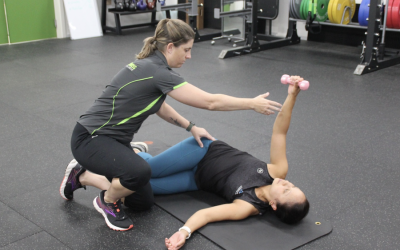
Adhesive Capsulitis or Frozen Shoulder: Causes, the stages, prognosis and treatment options
Understanding why it happens, its natural progression and the best ways to manage it, including the role of physiotherapy and potential surgical options. Frozen shoulder, or adhesive capsulitis, is a frustrating condition that can significantly affect your shoulder...
The Physio’s Exercise Guide for Perimenopause & Menopause
Support your body through perimenopause and menopause with effective strength, balance, and flexibility exercises designed to ease symptoms and build resilience.Regular exercise is important for all times of life including as our hormones are fluctuating with this...