
Common Running Injuries: Treatment & Prevention
Understanding running injuries. Almost every runner will have experienced one of these injuries in their lifetime.
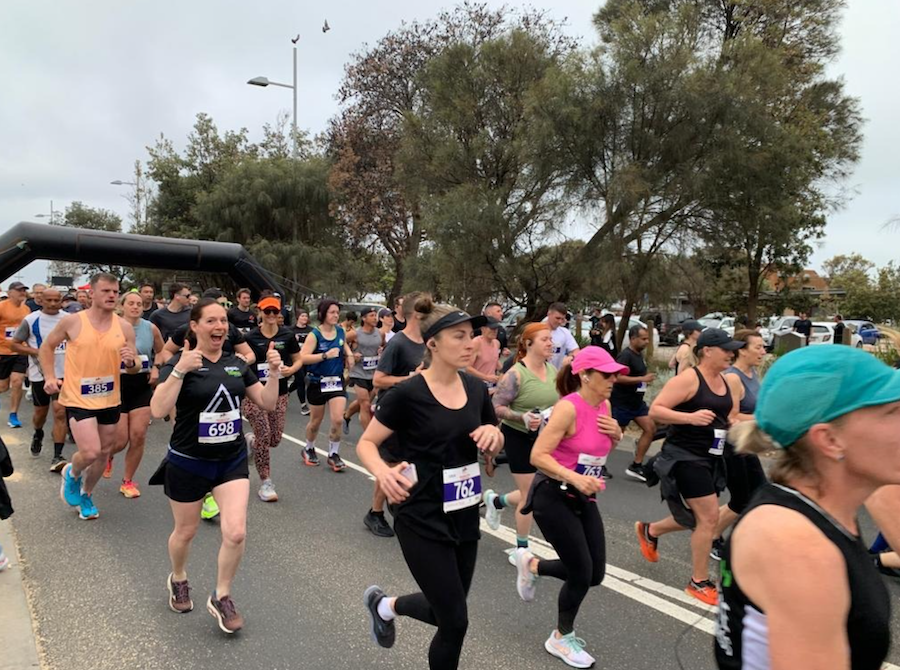
As the summer heat begins to get less intense and the cool wind starts blowing across the bay, the little voice telling you to dust off those runners and get out the door for a jog starts whispering.
If you had one too many servings of pavlova over Christmas or maybe didn’t get into the gym as much as you promised yourself, you might feel you are a bit underprepared for that next running event you have coming up.
Little sore spots or injuries might pop up across the first couple of weeks of your training block, and this is not uncommon; almost every runner will have experienced one of these injuries in their lifetime. This blog post is to help you identify what might be going on and help you work towards being at your best again.
Patellofemoral Joint Pain
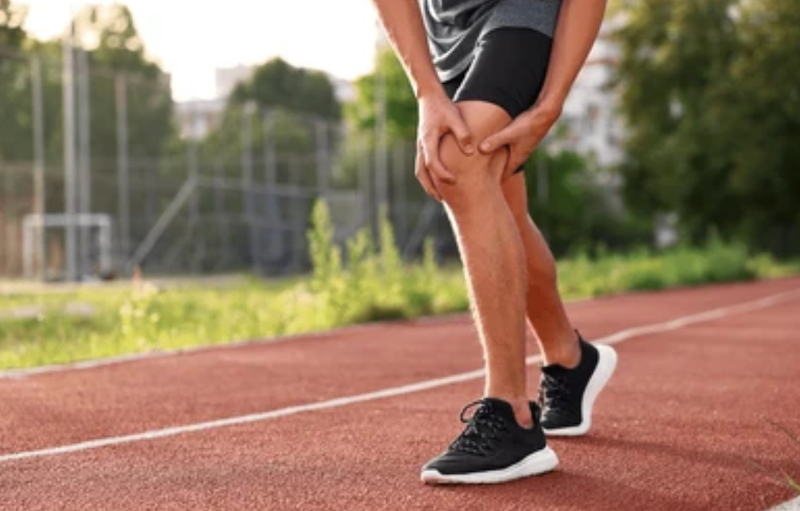
Why Does My Knee Hurt When I Run, or Why Does My Knee Hurt When Going Down Stairs?
How Patellofemoral Joint Pain presents
Patellofemoral joint pain (PFJ), often called runner’s knee, can present as a dull ache behind the kneecap or a sharp stabbing pain around it. It’s an umbrella term for issues with how the kneecap tracks in the knee joint. You might also notice grinding, clicking, or that “giving way” feeling, especially if you’re wondering “why does my knee hurt when I run downhill” or “why does my knee hurt when going down stairs.”
Activities Patellofemoral Joint Pain is worse with
It flares up with knee-bending loads like running (particularly downhill), squatting, lunging, stairs (especially descending), prolonged sitting with bent knees, or jumping.
How to help Patellofemoral Joint Pain get better
Basic steps include easing off aggravating activities for a short time, icing the knee, and starting some gentle quad and hip strengthening. But the real key is figuring out what’s causing the poor patella tracking. Often, it’s a mix of muscle imbalances or biomechanics that need a proper look.
A physio can assess your movement, provide targeted exercises, and guide a safe return to running so you don’t keep chasing the same pain. If it’s lingering, booking in early makes a big difference.
Achilles Tendinopathy
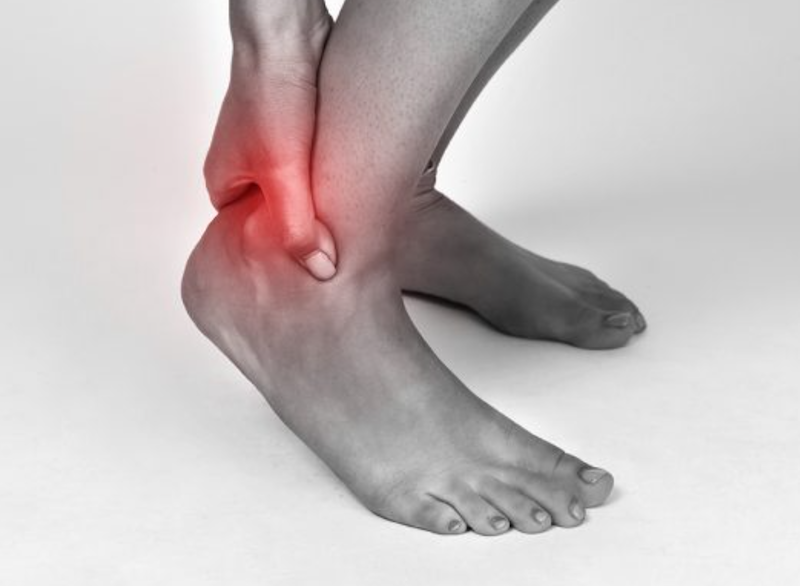
Why is Achilles Pain in the Morning or Achilles Pain from Running After Rest?
How Achilles Tendinopathy presents
Achilles tendinopathy often begins as a mild ache or stiffness just above the heel, with possible swelling. It’s notorious for feeling tight and painful first thing in the morning (those dreaded first steps out of bed) or after sitting, leading many to search “Achilles pain in the morning” or “why does my Achilles hurt after running.”
Activities that make Achilles Tendinopathy worse
Running (especially uphill or with speed work), jumping, or toe push-off moves. Pain might ease mid-run but return worse afterward or the next day.
How to help Achilles Tendinopathy get better
Load management is crucial, reduce running temporarily, and consider low-impact alternatives. Gentle calf work can help, but tendons respond best to a structured, progressive approach. Many runners find relief with professional guidance on the right exercises and timing to avoid setbacks. If it’s not settling quickly, get it checked to tailor a plan that gets you back running strongly.
Medial Tibial Stress Syndrome (Shin Splints)
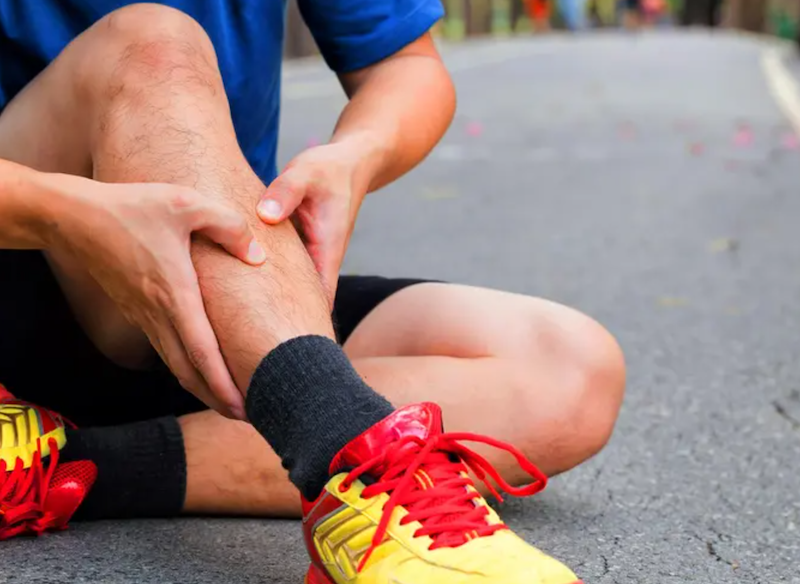
Why Do My Shins Hurt After Running? Why do I have Shin Pain When Running?
How Shin Splints present
A dull, aching pain along the edge of the shin bone, often with tenderness when pressed. It starts as soreness during runs and lingers, prompting searches like: “why do my shins hurt after running” or “shin pain when running on hard surfaces.”
Activities Shin Splints worsen with
Running on hard surfaces, quick mileage/intensity jumps, or high-impact moves like jumping. Pain builds during the session, eases with rest, but returns fast.
How to help Shin Splints get better
Take a short break from impact, ice the area, and build in some lower leg strengthening. But shin splints often stem from training errors, doing too much too soon, footwear, or biomechanics that need to be properly addressed. A physio can help pinpoint the problem.
Iliotibial Band Syndrome
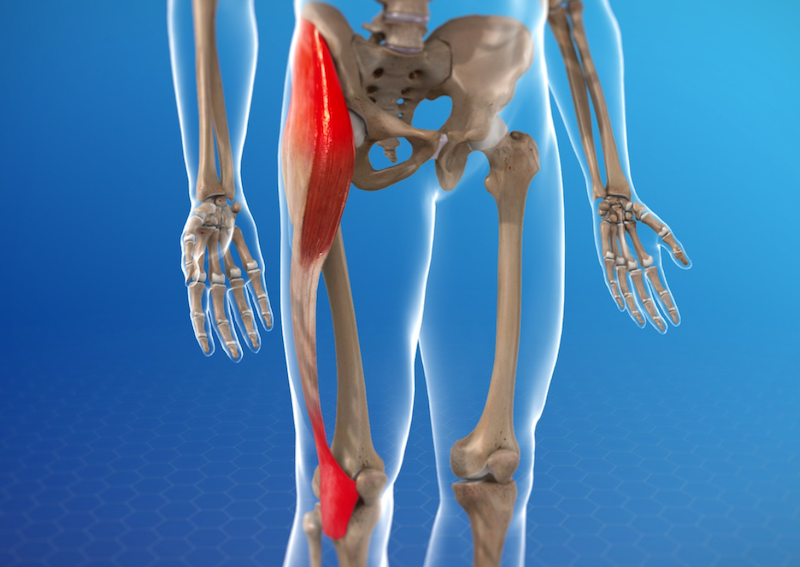
Outer Knee Pain While Running & Pain on the Outside of My Knee When Running Downhill
How Iliotibial Band Syndrome presents
Sharp or burning pain on the outside of the knee, sometimes spreading up the outer thigh to the hip, with possible snapping/clicking as the band rubs. Runners often Google “outer knee pain running” or “pain on the outside of my knee when running downhill.”
Activities Iliotibial Band Syndrome is worse with
Running (especially downhill or longer efforts), cycling, or repetitive bending like stairs/squats. Pain hits mid-run and worsens if you keep going.
How to help Iliotibial Band Syndrome get better
Ease off running for a bit, try some foam rolling and hip stretches, but the fix usually involves strengthening the glutes and hips to reduce friction. It’s tricky to self-manage fully; many runners benefit from a physio assessing gait and providing specific releases or cues. Don’t let it become chronic; professional input can speed things up.
Plantar Fasciitis
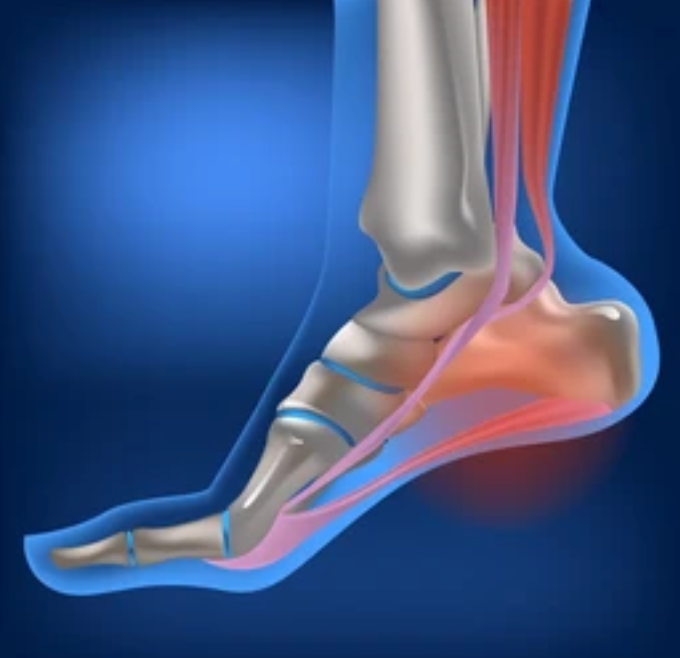
Heel Pain First Steps in the Morning? Why Does My Heel Hurt When I Get Out of Bed?
How Plantar Fasciitis presents
Sharp, stabbing pain in the heel or arch, worst with the first steps in the morning or after sitting/standing for long periods, like a bruise under the heel that eases a bit after warming up. Classic searches: “heel pain first steps in the morning” or “why does my heel hurt when I get out of bed.”
Activities Plantar Fasciitis is worse with
Running (especially on hard surfaces), prolonged standing, or barefoot on cold floors can cause or make plantar fasciitis worse. Pain flares after rest but may improve during activity before returning worse.
How to help Plantar Fasciitis get better
Simple things like rolling your foot over a frozen bottle, calf stretches, and supportive shoes can ease symptoms initially. But plantar fasciitis often needs more, addressing foot mechanics, loading patterns, or even orthotics. A physio can guide effective rehab and prevent it from dragging on for months.
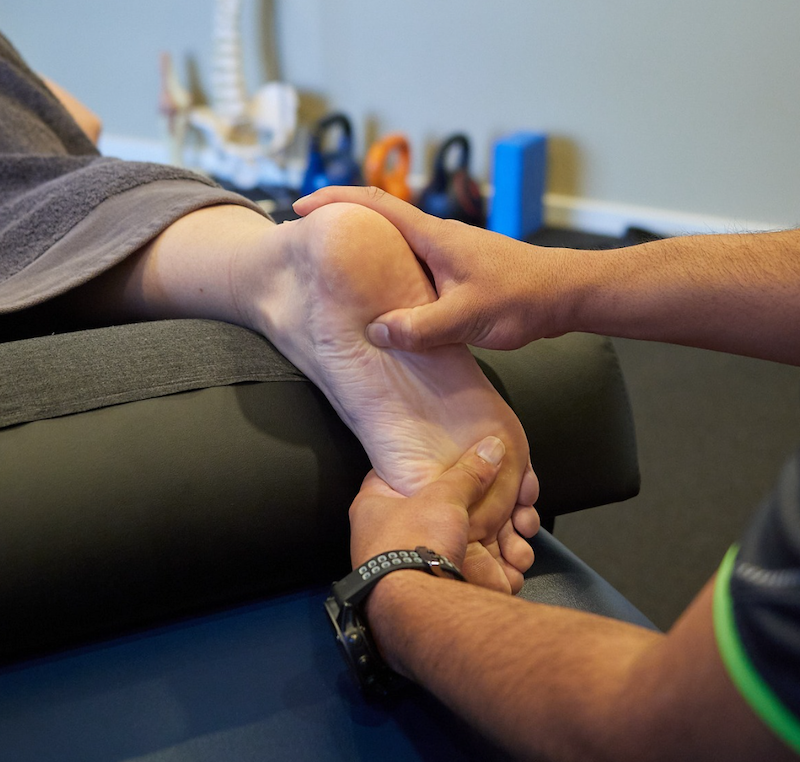
Plantar Fasciitis release
TOWEL SCRUNCHIES
Stress Fractures
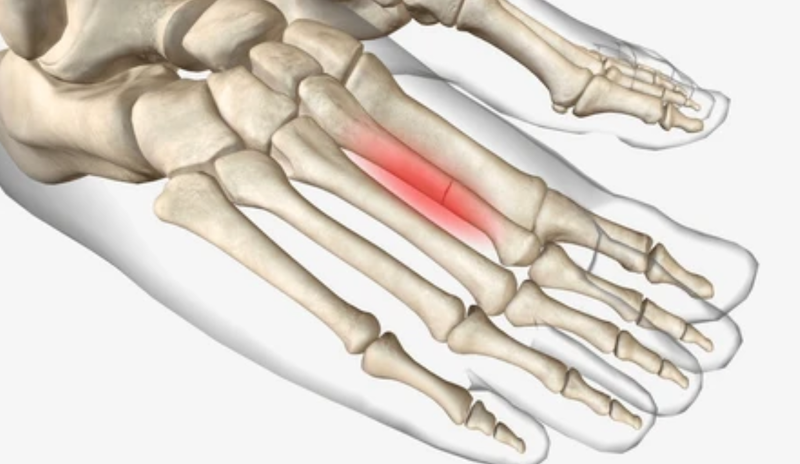
Persistent Pain When Running or Localised Bone Pain After Running
How Stress Fractures Present
Localised, deep ache or sharp pain in one spot, worsening with weight-bearing. Swelling or point tenderness may appear; pain lingers at rest in advanced cases, leading to “persistent pain when running” or “why do bone hurt after running” searches.
Activities that make Stress Fractures worse
Any impact, like running or jumping, pain intensifies and doesn’t ease during the session.
How to help a Stress Fracture get better
Stop impact activities straight away and seek imaging if suspected; rest is non-negotiable for healing. Nutrition and gradual reloading come next, but these need careful monitoring to avoid re-injury. A sports doc or physio is essential here for diagnosis, protection, and a safe build-back plan.
What’s best for your running injuries?
If any of these problems persist or you are after some more personalised advice and hands on treatment to alleviate pain, make a booking with us for a running assessment or private assessment to discuss how we can get you back to your best and running this year!

This blog was written by Brandon Griffiths, Physiotherapist at Physio & Fitness Clinic, B AppSci / Master of Physiotherapy Practice – La Trobe University.
Brandon has experience across ankles, knees, hips, spine, and sports rehabilitation. With a background in strength & conditioning, he combines hands-on treatment with exercise prescription to help people move better and recover with confidence.
Brandon is an avid runner who just completed his first full marathon in 2026.
Here at Physio and Fitness Clinic, we can assist you with your health and fitness. Make an appointment with a physio today for physiotherapy and physio run pilates.