
The BEST exercise to improve your running
How to perform a Box Jump
And how can this help your running?
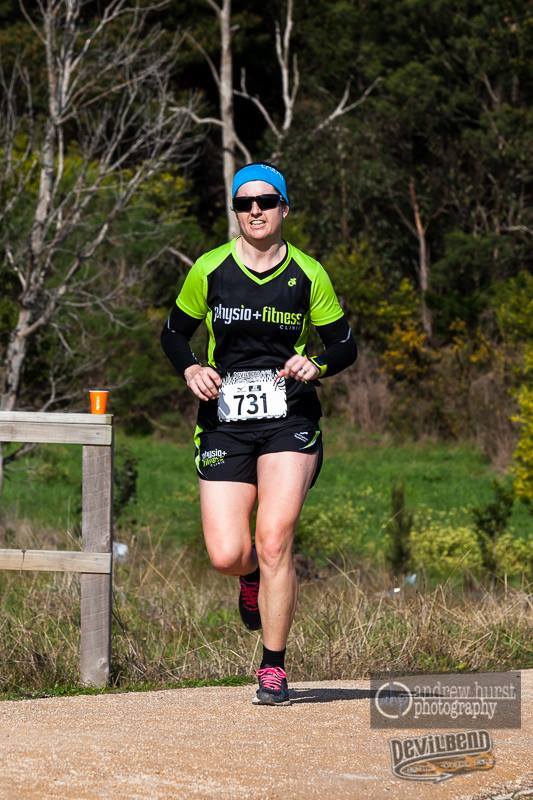
Running can be explained as simply one hop after another, where the calf and the Achilles activate together to create a spring, making us to move forward in a running motion.
Therefore, it makes sense that retraining jumping and hopping can actually assist with recovery from a running injury.
So, to help you all out in the quest to improve your running, I have included the best exercise that you can incorporate into your rehab and training to improve your jumping.
A box jump is a great step towards building your Achilles and calf strength following injury. However, if you are coming back after an Achilles injury, I suggest that you do not OVERDO this exercise, particularly if you are still having flare up periods. Try starting on a small box and build to a higher box as your form and strength gradually improves.
The focus of this exercise is to maintain technique in both the jump and the landing.
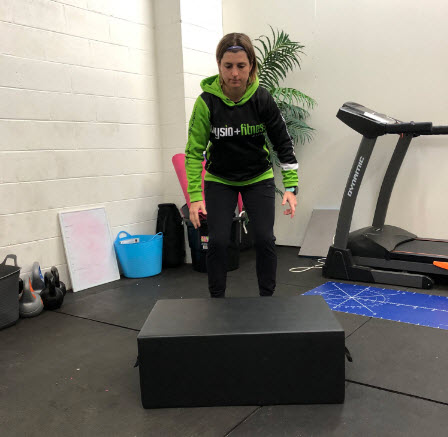
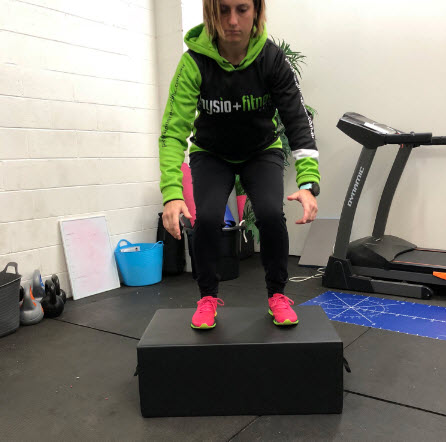
When you are moving from the ground to the box, focus on driving through your toes and Achilles. As you are starting on a low box, the distance should not be a stretch, but ensure you are evenly weight bearing and slightly lifting onto your toes prior to the jump. Your hips should be bent with your knees only mildly tracking forwards. This will mean you back is at about 45 degrees to the surface prior to take off.
As you land on the box you are focusing on a mid foot land, softly.
The jump from the box to the ground requires less effort, but the landing will have higher force. So, make sure you focus on landing as best you can on your mid-foot.Your hips should be bent so that your bum pokes backward and your knees should be tracking over your toes.
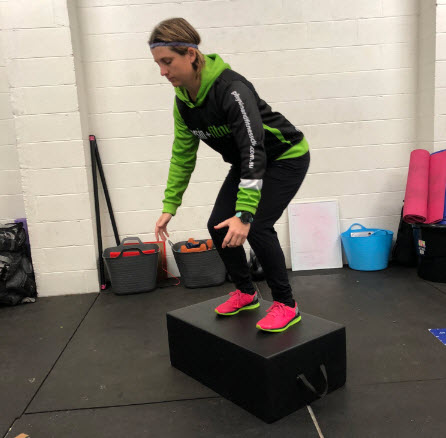
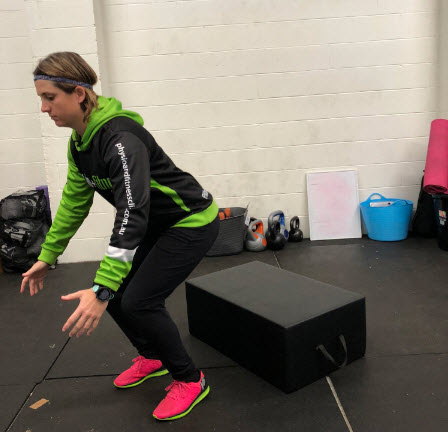
As you are doing this exercise, tell yourself to have “soft feet”. This is a great mantra for this movement.
Happy jumping! And let’s hope you’ll be back to running at your best again, soon!
– Morgan Deegan
How to Perform Manual Lymphatic Drainage Yourself
Just like stretching helps your muscles, manual drainage helps your lymphatic system move your fluid around making the system operate more effectively. The lymphatic system is a network of intricate vessels (the pathways) and nodes that moves lymph fluid around the...
Exploring ACL Injury Management: Beyond the Default to Surgery
Understanding different treatment options for ACL recovery, before you jump into surgery. If you’ve just suffered an ACL injury you’re likely facing a whirlwind of decisions about your recovery. Traditionally, many people assume surgery via ACL reconstruction is the...
Adhesive Capsulitis or Frozen Shoulder: Causes, the stages, prognosis and treatment options
Understanding why it happens, its natural progression and the best ways to manage it, including the role of physiotherapy and potential surgical options. Frozen shoulder, or adhesive capsulitis, is a frustrating condition that can significantly affect your shoulder...