
Have I slipped a disc?
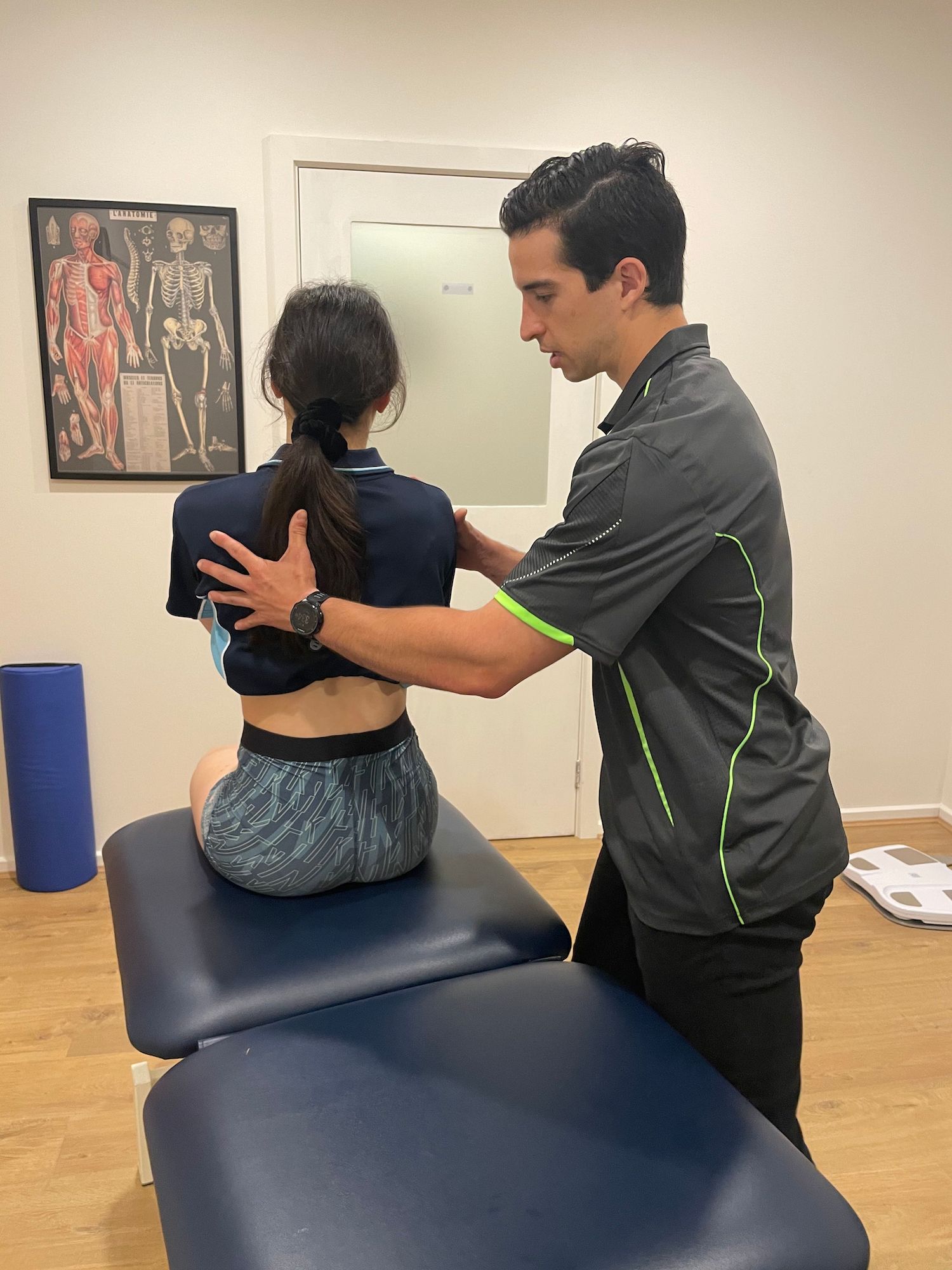
Have I just slipped a disc? Oh no!
Fear not! It isn’t the end of the world.
Throughout our lives, we put our spine under pressure with everyday occurrences like household chores, sport, work, weight gain and direct trauma.
This can cause the jelly-like disc to slowly, but surely, become more flat and less shock absorbent. Eventually due to wear and tear, they lose their shape and bulge out slightly, which CAN or CANNOT touch the surrounding nerve roots causing irritation and nerve pain.
So, as our bodies start the degeneration process from the time we are in our mid-twenties, coupled with everyday stress and trauma, disc bulges would seem pretty common, yeah? Well, it is…especially over the age of 40, usually in the lower back.
Surprisingly, a lot of people “slip”discs, yet have no symptoms of this whatsoever, simply due to general wear and tear! And so, they go on with their lives- none the wiser!
Yes. That’s right. Bulging discs can have no symptoms.
Just because your MRI comes back positive with a result for a bulge, doesn’t necessarily mean that it is going to be the source of your pain. You may not even know how long you have had it for!
If it does turnout that you have sustained an acute disc bulge, and it is causing you pain, Myotherapy can assist in reducing the associated symptoms, like tight muscles, as well as strengthen the core and the spine using using basic exercises to prevent further postural and mechanical issues.
Symptoms usually hang around for about 6 weeks (depending on each individual case and the things they are doing to assist recovery), but thankfully, not forever.
With this in mind, our bodies are clever and will occasionally tighten the surrounding areas as a safeguard, and this can be managed and released by our fabulous Myos.
– Alli Jennings
Tendinopathy: Are You Doing Too Much or Are You Too Weak?
Your tendon feels better when you rest, then flares up when you get active again. Sound familiar? Let’s talk tendinopathy, load and capacity. Your Achilles hurts, so you stop running. A few weeks later it feels better. Brilliant. You go for a run again...and the...
Biceps Femoris Tendinopathy (distal)
Tendinopathy occurs when there has been excessive loading of a tendon; generally for a prolonged period of time in runners. Tendinopathy Tendinopathy is the medical term for the persistent strain experienced by a tendon over an extended period. Tendinopathy occurs...
Return to Training After a Lateral Ankle Sprain: When Is Your Ankle Actually Ready?
The challenge isn’t usually getting the pain to settle. It’s knowing when the ankle is actually
ready to cope with training again.